
Advanced In-Vitro Functional Models
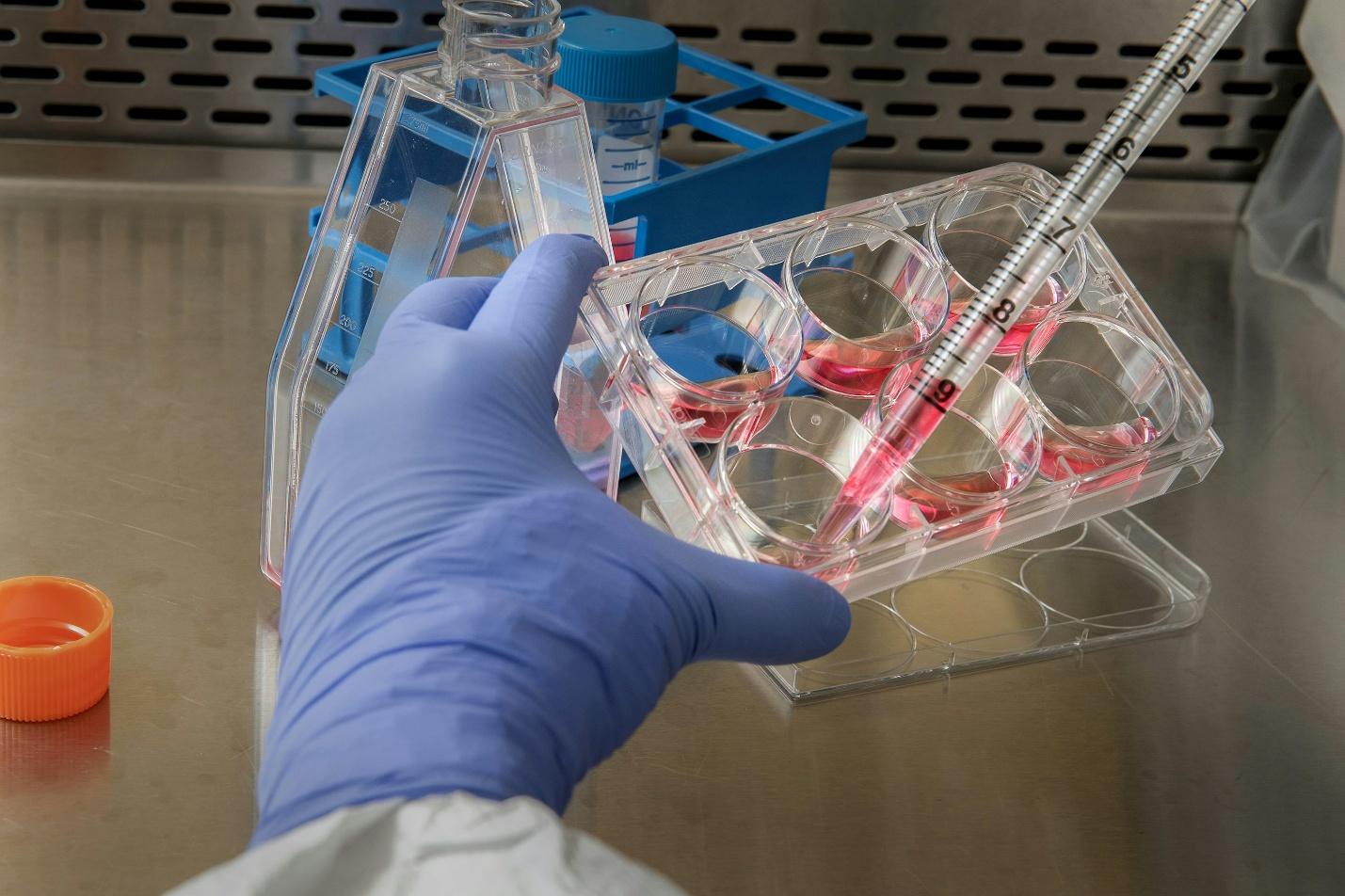
Advanced in-vitro functional models replicate key physiological, mechanical, biochemical, and structural characteristics of human tissues and organ systems. Unlike basic cell cultures, these engineered systems integrate 3D scaffolds, multicellular environments, biomechanical cues, perfusion, barrier properties, electrical or contractile activity, and tissue-specific functionality to more accurately mimic in-vivo behavior.
These models allow researchers to evaluate biomaterial performance, medical devices, implant coatings, regenerative therapies, pharmaceuticals, drug-delivery systems, and disease mechanisms under controlled, high-fidelity laboratory conditions. They serve as powerful non-animal platforms to predict biological outcomes, quantify functional performance, de-risk development programs, and generate regulatory-supportive data.
Materials Metric develops and evaluates advanced in-vitro systems tailored to soft tissue, hard tissue, and specialized organ models, supporting applications across biomedical engineering, regenerative medicine, medical devices, and advanced materials R&D.
Advanced In-Vitro Functional Models Can Achieve
1. Functional Performance Evaluation
Contraction analysis for cardiac or muscle tissue
Barrier integrity (TEER, permeability) for epithelial or endothelial tissues
Mechanical behavior such as stiffness, elasticity, and stress–strain responses
Electrophysiological or biochemical functional readouts
2. High-Fidelity Biomaterial & Device Testing
Tissue response to implants, coatings, scaffolds, and catheters
Realistic evaluation of cell infiltration, integration, or remodeling
Comparison of surface chemistries, porosities, degradation profiles, and mechanical cues
3. Complex Cell–Cell & Cell–Matrix Interactions
Multicellular co-culture systems
ECM production, deposition, and remodeling
Dynamic feedback between biomaterials and living tissue
4. Disease Modeling & Therapeutic Screening
Chronic wound, fibrosis, infection, inflammation, and tumor microenvironment models
Biofilm growth on tissue-mimicking substrates
Pathology-specific mechanical or biochemical conditions
5. Drug Delivery & Release Evaluation
Diffusion, penetration, and pharmacological response analysis
Tissue-specific uptake and metabolism patterns
Integration with imaging and biochemical assays
Applications Across Research & Product Development
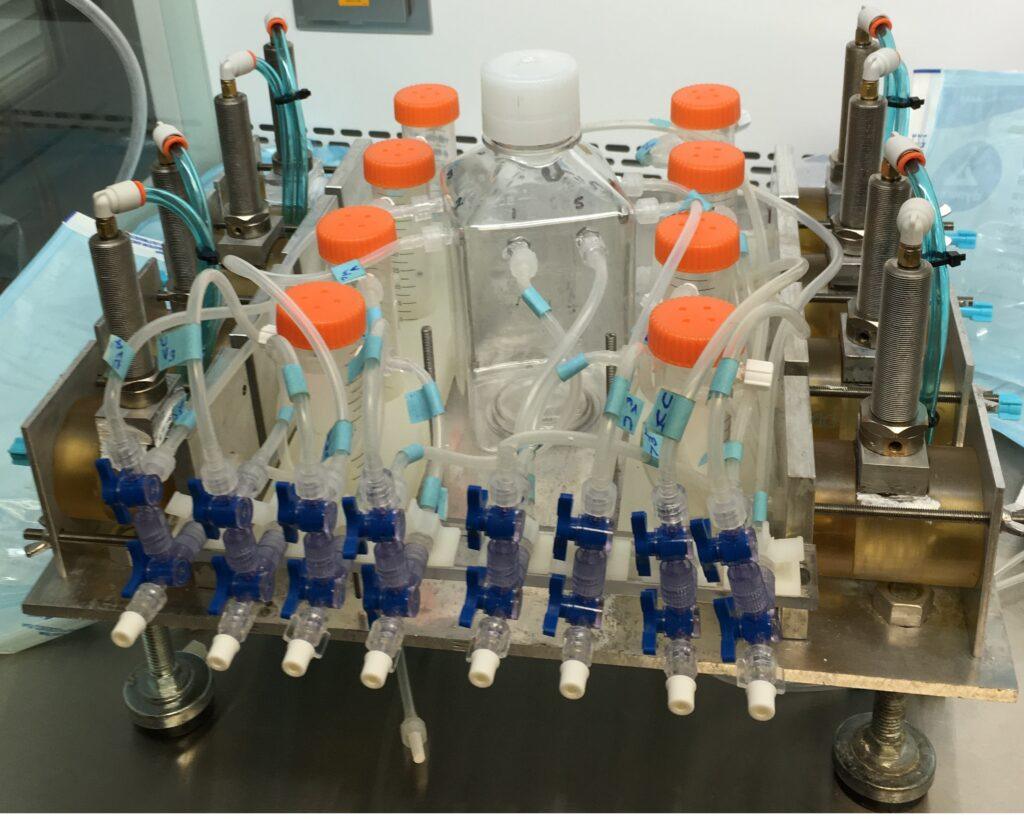
• Organ-on-chip systems
• Mechanical loading bioreactors
• Perfusion-based tissue constructs
• Smart biomaterials and responsive systems
Sample Analysis Process
1. Model Design
- Identify physiological parameters
- Select cell types, scaffold materials, and flow systems
2. Functional Testing
- Cytokine profiling
- Matrix deposition markers
- Mechanical or biochemical response analysis
3. Imaging & Readouts
- Confocal and fluorescence imaging
- ECM quantification
- Viability/metabolic assays
Why Choose Materials Metric
Materials Metric provides scientifically rigorous, highly customized in-vitro platforms supported by expertise in biomaterials, tissue engineering, cellular biology, biomechanics, and advanced analytical characterization.
We offer:
ISO 9001:2015–aligned quality systems ensuring data integrity and repeatability
Integrated testing across biological assays, mechanical evaluation, imaging, and analytical chemistry
Deep expertise in 3D tissue models, engineered constructs, scaffold characterization, and functional assays
Custom-built models tailored to your target tissue, device, or therapeutic mechanism
High-quality reports suitable for R&D, publications, grant submissions, and regulatory support
A collaborative approach focused on accelerating innovation and reducing development risks
Our advanced functional models provide the translational bridge between computational prediction, material design, and biological performance, allowing you to move forward with confidence.