Frequently Asked Questions
What are wet chemistry and classical analytical methods?
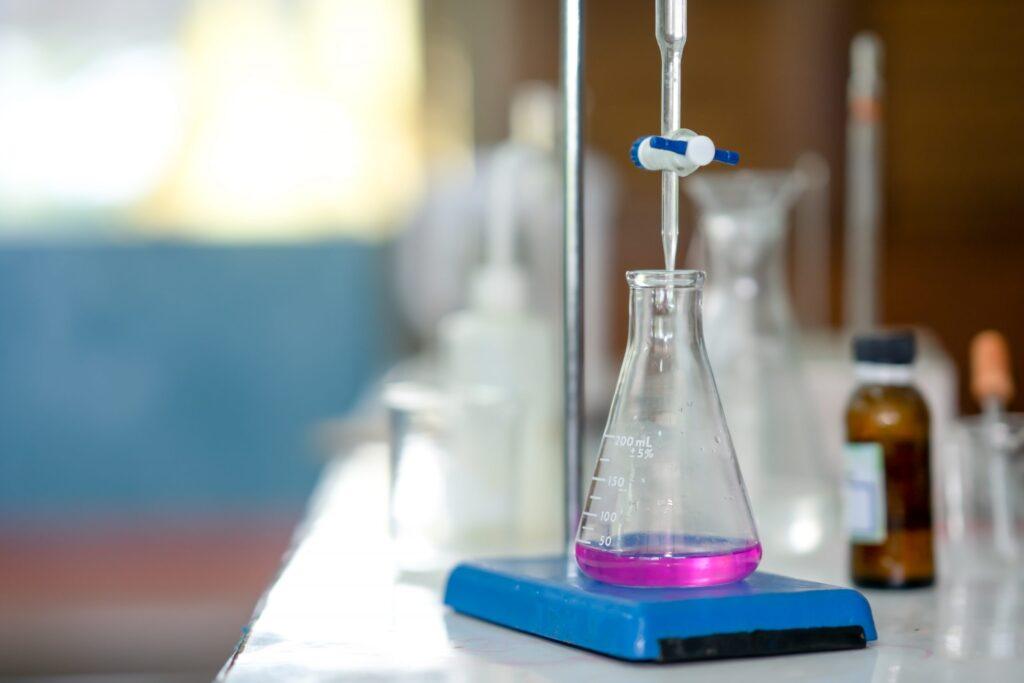
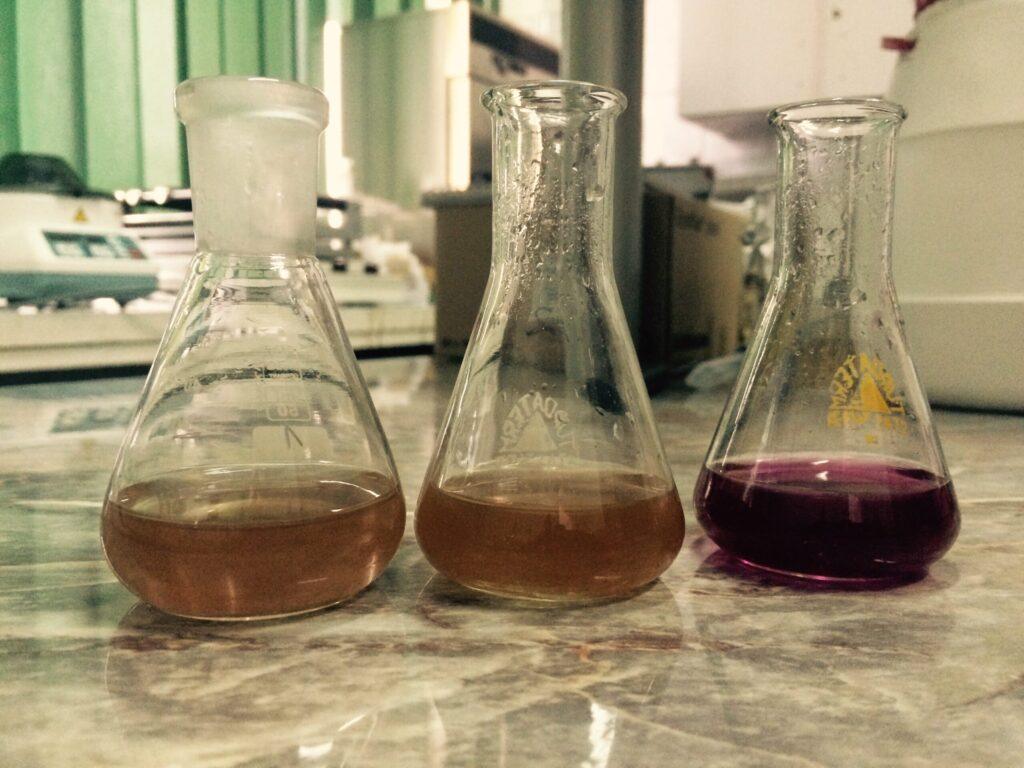
Wet chemistry refers to classical analytical techniques performed in the liquid phase using chemical reactions, reagents, and manual measurement rather than automated instrumentation alone. These methods include titrations, gravimetric analysis, colorimetry, and chemical digestion or extraction procedures. Materials Metric applies them to determine composition, concentration, and chemical properties with high accuracy and traceability.
What are wet chemistry methods used for?
They are used to quantify specific ions, acids, bases, moisture, ash, active content, and other constituents, and to prepare or dissolve samples for further instrumental analysis. Classical methods remain the reference or arbitration approach for many specifications because they are directly traceable to mass and volume standards. They are especially valuable where no suitable instrumental method exists or where a primary reference result is required.
What sample is required for wet chemistry analysis?
Most wet chemistry procedures need a representative sample of a few grams to tens of grams, since larger amounts improve weighing and titration precision. Solids, liquids, powders, and slurries are all acceptable, and the material must be amenable to dissolution, digestion, or direct reaction. Sharing the expected analyte and approximate concentration range helps us select the correct procedure and reagent scale.
Which standards apply to wet chemistry methods?
Analyses follow validated or fit-for-purpose methods aligned with ASTM, ISO, and USP where applicable, selected according to the analyte and material type. Many classical determinations map to specific published procedures for a given industry or matrix. Where no compendial method applies, Materials Metric uses a documented, fit-for-purpose procedure with appropriate reference standards and controls.