Frequently Asked Questions
What is chemical and elemental characterization?
Chemical and elemental characterization determines the composition of a material, covering both its molecular or compound makeup and the identity and concentration of the elements present. It draws on a broad toolkit including chromatography, spectroscopy, elemental analysis, and classical wet chemistry. Materials Metric uses it to confirm identity, verify specifications, and investigate composition-related problems.
What can chemical and elemental characterization measure?
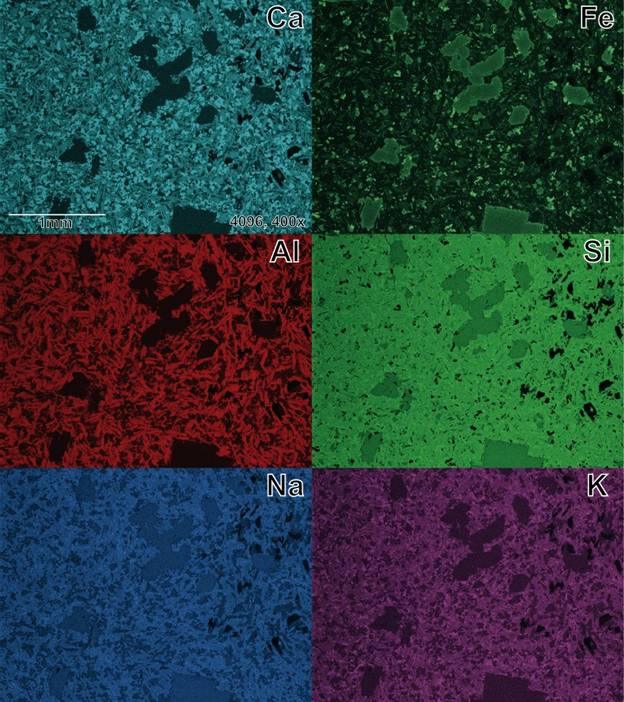
It can measure major, minor, and trace elements, organic and inorganic constituents, additives, impurities, and functional groups across metals, polymers, ceramics, liquids, and composites. Depending on the question, analysis ranges from bulk composition to trace contaminants and surface or spatial distribution. This supports material identification, deformulation, quality control, and failure investigation.
What sample is required for chemical and elemental characterization?
A representative sample is required, with the amount depending on the techniques involved, from a few milligrams for some instrumental methods to tens of grams for classical determinations. Solids, powders, liquids, and extracts are all acceptable. Describing the material, its origin, and the specific question helps us select the most efficient combination of methods.
Which standards apply to chemical and elemental characterization?
Work follows validated or fit-for-purpose methods aligned with ASTM, ISO, and USP where applicable, chosen according to the analyte, matrix, and client requirements. Specific compendial or industry methods are applied where they exist for a given determination. Where none fits, Materials Metric uses documented, fit-for-purpose procedures with appropriate reference standards.