
Computational Genomic Modeling & Molecular Docking
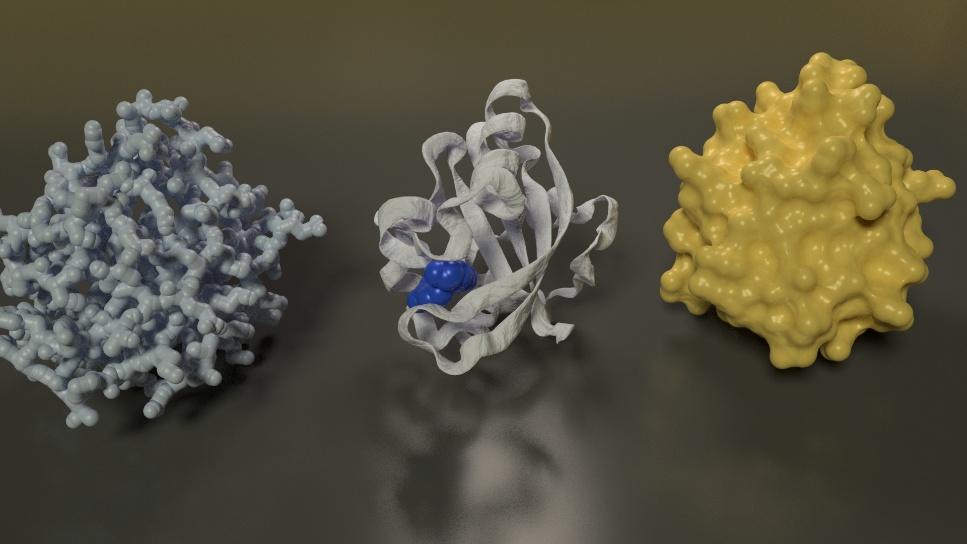
Computational Genomic Modeling and Molecular Docking integrate advanced bioinformatics, structural biology, and simulation approaches to analyze genetic data and predict molecular interactions with high precision. These techniques help researchers understand genotype–phenotype relationships, identify therapeutic targets, design biomolecules, and forecast binding affinities between ligands, proteins, nucleic acids, or biomaterials.
Genomic modeling evaluates how gene expression, sequence variations, mutations, and regulatory networks influence disease progression, biological responses, or material–tissue interactions. Molecular docking simulates how small molecules, peptides, proteins, or biomaterial surfaces interact at the atomic level, providing critical insights for drug discovery, antimicrobial development, implant compatibility, and biomaterial design.
Materials Metric uses cutting-edge algorithms, structural databases, and high-performance computational pipelines to support biomedical research, biopharmaceutical innovation, and advanced materials development.
Computational Genomic Modeling & Molecular Docking Can Achieve
1. Target Identification & Mechanistic Insight
Assess gene networks, protein interactions, and regulatory pathways
Predict biological responses to materials, implants, therapeutics, or coatings
Identify biomarkers for toxicity, disease progression, or treatment response
2. Ligand–Protein & Protein–Protein Docking
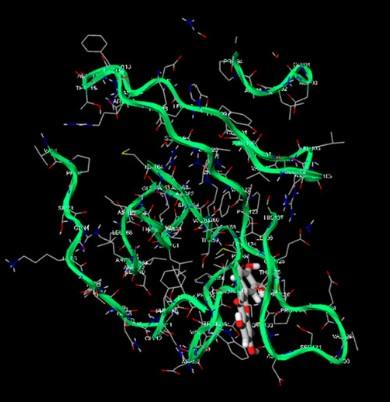
Simulate how drugs or biomolecules bind to their targets
Calculate binding affinity, energetics, and interaction fingerprints
Evaluate competitive binding and predict efficacy
3. Molecular Dynamics & Structural Stability
Examine how biomolecules change over time
Model conformational shifts, folding behavior, and stability
Understand mechanistic behavior under stress, temperature, or chemical gradients
4. Genomic Sequence Analysis & Variant Interpretation
Alignment, annotation, and mutation impact prediction
Identify functional variants linked to toxicity, disease, or biological performance
Integrate multi-omics datasets (genomics, transcriptomics, proteomics)
5. Computational Pipeline for Therapeutic & Material Design
Optimize ligand structures for enhanced potency or reduced toxicity
Predict interaction between biomaterials and cellular receptors
Guide design of antimicrobial, anti-inflammatory, or osteogenic surfaces
Applications We Support
Drug Discovery & Development
Hit identification and virtual screening
SAR prediction and optimization
Toxicity and off-target interaction modeling
Biomedical & Life Sciences
Predict cellular response to genetic mutations
Understand host–pathogen interactions
Mechanistic insights for inflammation, infection, or immune modulation
Medical Devices & Biomaterials
Model receptor interactions at biomaterial interfaces
Predict protein adsorption, immune activation, or cell adhesion
Optimize surface chemistry for improved biological compatibility
Antimicrobial & Biofilm Research
Docking antimicrobial agents to bacterial targets
Predict enzyme inhibition, membrane binding, or resistance mechanisms
Precision Medicine & Personalized Approaches
Variant interpretation for patient-specific responses
Pharmacogenomic modeling for individualized therapy selection
Computational Genomic Modeling & Molecular Docking Workflow
1. Data Collection & Preprocessing
Genomic sequences, protein structures (PDB), small molecule libraries, biomaterial interface models
Quality filtering, structure refinement, energy minimization
2. Model Construction & Analysis
Gene network modeling, sequence alignment, structural modeling
Preparation of receptor and ligand for docking simulations
3. Docking & Scoring
Rigid/flexible docking simulations
Binding affinity scoring using validated scoring functions
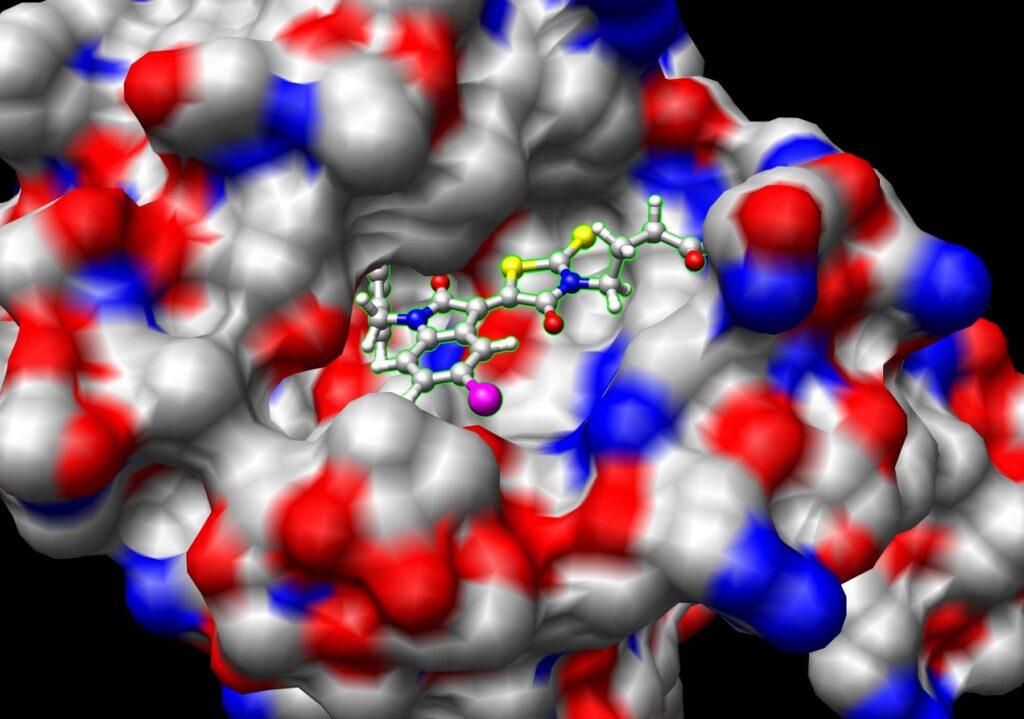
Interaction mapping (H-bonds, hydrophobic contacts, electrostatics)
4. Molecular Dynamics Simulation (Optional)
Long-term stability and conformational insight
Energy landscapes and free-energy calculations
5. Interpretation & Reporting
Binding maps, genomic signatures, pathway diagrams
Recommendations for material design, drug optimization, or biological validation
Why Choose Materials Metric
Materials Metric offers a unique combination of biological, chemical, and materials expertise, supported by computational modeling pipelines and ISO 9001:2015–aligned processes.
We provide:
Deep scientific expertise across genomics, structural biology, biomaterials, and computational chemistry
High-quality models that integrate experimental data from spectroscopy, microscopy, mechanical testing, and biological assays
Advanced docking and simulation tools for accurate prediction of molecular interactions
Regulatory-friendly outputs suitable for research reports, FDA submissions, and peer-reviewed manuscripts
Custom modeling solutions for antimicrobial discovery, biomaterial optimization, drug development, and personalized medicine
Our cross-disciplinary approach ensures that computational predictions translate into real experimental outcomes, accelerating innovation and reducing research uncertainty.
Related services