Comprehensive Materials Testing and Analytical Services at Materials Metric

Generic selectors
Exact matches only
Search for your required testing or Service
Post Type Selectors
page
post

Dental & Implant Material Evaluation

Dental & Implant Material Evaluation requires a comprehensive understanding of how materials interact with hard and soft tissues under real physiological conditions. These materials must demonstrate not only mechanical durability and corrosion resistance, but also stable surface chemistry and favorable biological responses over long-term implantation.

At Materials Metric, we integrate biocompatibility testing, surface and chemical characterization, corrosion analysis, and tissue–material interaction studies to evaluate dental materials and implant systems holistically. Our testing supports R&D optimization, performance validation, and ISO/FDA regulatory submissions by generating clear, defensible evidence of safety, stability, and functional integration with biological tissues.

Uses

• Screening new implant materials
• Evaluating coatings or surface modifications
• Supporting FDA and ISO dental standards
• Understanding implant–tissue integration

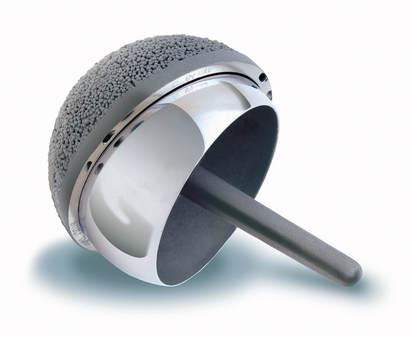
Dental & Implant Material Evaluation
Dental & implants evaluation at materials Metric

Applications

• Titanium implants
• Zirconia and ceramic materials
• Polymer-based dental systems
• Adhesives, cements, and coatings

Sample Analysis Process

• Surface chemistry and morphology assessment
• Corrosion and dissolution analysis
• Cytotoxicity and irritation screening
• In-vitro osseointegration assays
• Histological evaluation (if applicable)

dental implant evaluation for new product development

Why Choose Materials Metric

Materials Metric brings specialized expertise in dental and implantable biomaterials, offering evaluation that integrates mechanical, chemical, and biological perspectives.

We provide:

  • Deep understanding of implant surface chemistry and osseointegration pathways
  • Integrated testing (surface analysis, corrosion, cytotoxicity, imaging, histology) for cohesive insight
  • ISO 9001:2015 accredited workflows ensuring high-quality, reproducible evaluations
  • Failure-oriented interpretation to uncover causes of poor integration, corrosion, or tissue response
  • Regulator-ready documentation aligned with ISO, FDA, and ADA standards

Materials Metric helps you ensure safe, stable, and biologically compatible dental materials and implants.

To learn more about our Dental & Implant Material Evaluation or other testing needs, please contact us.


Frequently Asked Questions

What is dental implant material evaluation?

Dental implant material evaluation assesses the biological safety and material performance of materials used in dental implants and related components. It combines biocompatibility testing with material characterization relevant to the oral environment. Materials Metric scopes each program to the material and its intended clinical contact.

What does dental implant material evaluation assess?

Biological endpoints can include cytotoxicity, sensitization, irritation, and other contact-appropriate responses, while material endpoints can cover corrosion, surface characteristics, and stability in simulated oral conditions. The panel reflects the implant's contact type and duration. Results support biocompatibility and material-suitability conclusions.

What sample is required for dental implant material evaluation?

Provide implant materials or finished components in their final, processed, and sterilized form, in sufficient quantity for the planned biological and material tests plus controls. Disclose the alloy or material composition, surface treatment, and intended use. Final-form articles are needed for representative results.

Which standards apply to dental implant material evaluation?

Biological testing is performed within the ISO 10993 biological evaluation framework, including relevant parts such as ISO 10993-10 for sensitization and irritation, with material tests using validated or fit-for-purpose methods aligned with ISO and ASTM where applicable. Dental-specific device standards are applied where relevant. The method basis is documented.
Scroll to Top