
pH, Conductivity, Alkalinity & Acidity Measurements
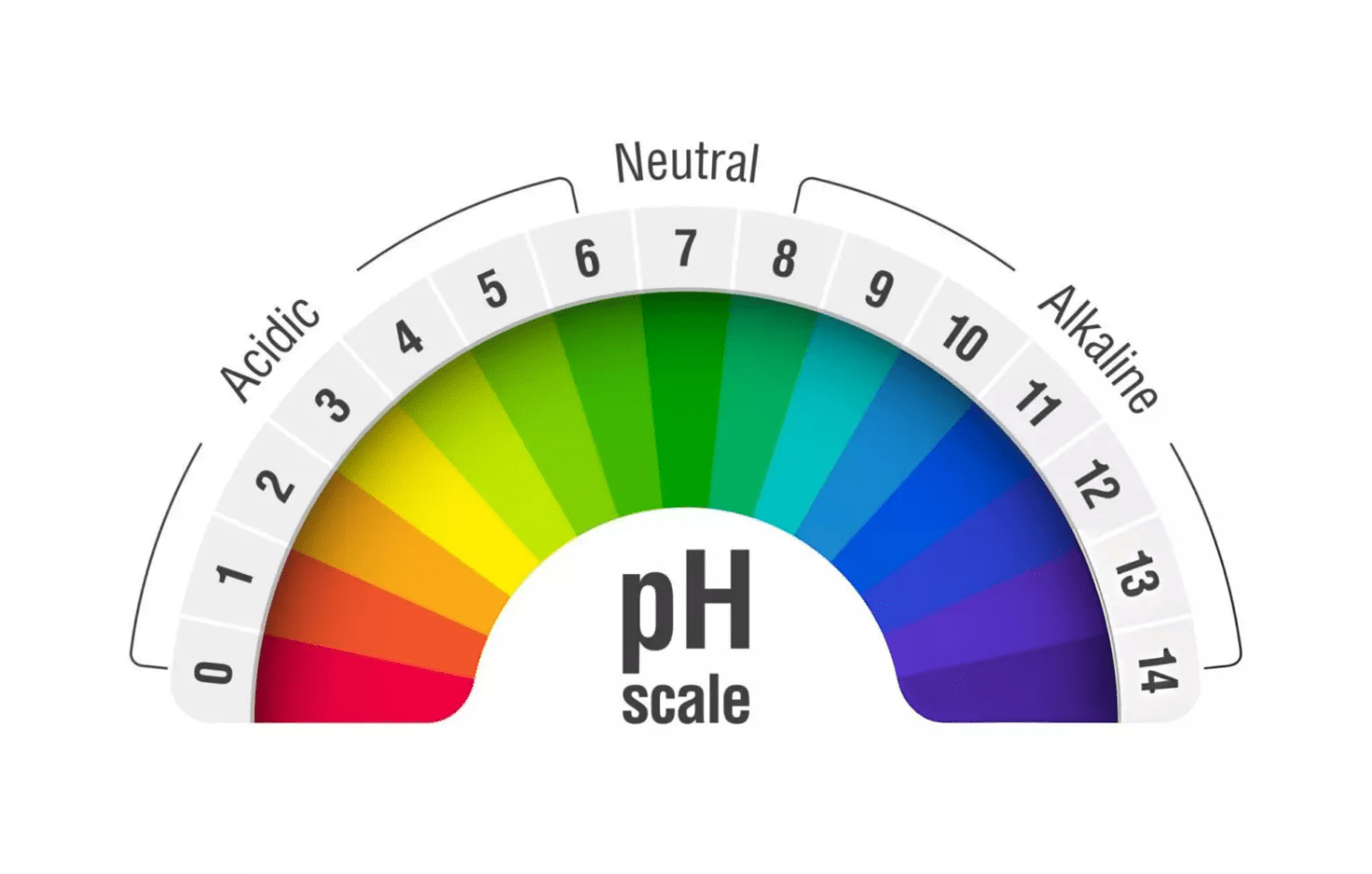
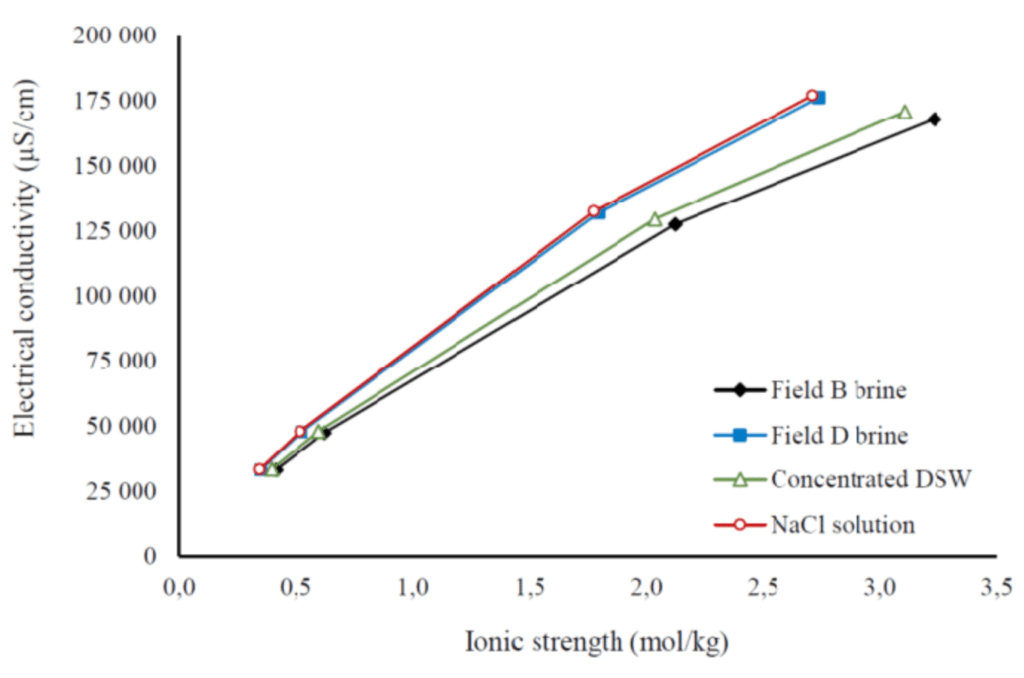
pH, conductivity, alkalinity, and acidity measurements provide essential insight into the chemical environment, ionic strength, and buffering behavior of liquid samples. pH reflects hydrogen ion activity, conductivity quantifies dissolved ionic content, and alkalinity/acidity evaluates a system’s capacity to neutralize acids or bases. Together, these parameters reveal critical information related to chemical stability, contamination, degradation pathways, corrosion potential, and biological compatibility.
At Materials Metric, these foundational measurements support formulation development, quality control, process monitoring, and regulatory testing by delivering precise and reproducible characterization of aqueous systems across pharmaceutical, biomedical, chemical, environmental, and industrial applications.
Uses of These Measurements
• Determine acidity/basicity of solutions
• Verify ionic strength and solvent quality
• Evaluate buffering capacity and neutralization behavior
• Monitor hydrolysis, degradation, and chemical shifts
• Support batch release, raw material qualification, and QC checkpoints
• Provide regulatory-ready electrochemical data
Applications
- Hydrogels, polymers, biomaterials
- Pharmaceutical formulations
- Coatings, adhesives, inks, and emulsions
- Water treatment and environmental samples
- Food, beverage, nutraceutical materials
- Industrial fluids and chemical intermediates
Sample Analysis Process
1. Objective Review
- Identify required parameter (pH, conductivity, alkalinity, acidity)
- Select applicable standard (USP/ASTM/ISO)
- Confirm sample type and expected ranges
2. Sample Preparation
- Filtration to remove particulates when applicable
- Temperature equilibration for stable readings
- Controlled dilution only if required for accuracy
3. Measurement Techniques
- Calibrated pH electrodes with automatic temperature compensation
- Conductivity cell calibrated to known standards
- Neutralization titration for alkalinity and acidity
4. Reporting
- pH values with temperature reference
- Conductivity values (µS/cm or mS/cm)
- Total alkalinity/acidity (mg/L or equivalents/L)
- Interpretation related to stability, formulation performance, or QC thresholds

Why Choose Materials Metric
Materials Metric provides high-fidelity electrochemical measurements backed by validated instrumentation and scientific expertise.
We offer:
• Precision pH and conductivity measurements with rigorous calibration control
• Expertise in challenging matrices such as viscous polymers, gels, or biological materials
• Fast turnaround for routine QC and batch release
• Traceable, standards-aligned documentation for FDA, ISO, and GMP needs
• Ability to integrate measurements with titration, gravimetry, stability studies, and full chemical profiling
Our electrochemical testing delivers accurate foundational data required for product consistency, formulation decisions, and regulatory submissions.