
Sterilization & Material Integrity Studies
Sterilization & Material Integrity Studies evaluate how sterilization processes, such as ethylene oxide (EtO), gamma irradiation, e-beam, autoclave/steam, and plasma sterilization affect the structure, chemistry, mechanical performance, biocompatibility, and functionality of materials and medical devices.
These studies are essential for ensuring that materials maintain safety, stability, and performance throughout sterilization, storage, and clinical use. For regulated products, international standards (ISO 10993, ISO 11135, ISO 11137, FDA guidance) often require material integrity verification before submission.
Materials Metric provides comprehensive testing to determine whether sterilization induces:
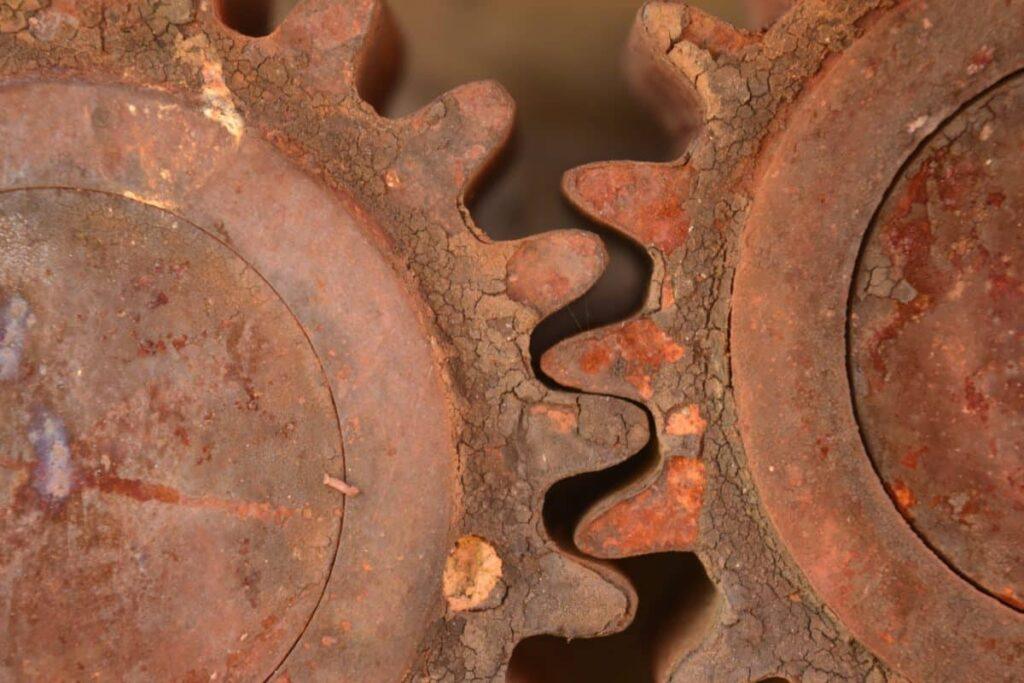
Chemical changes or degradation
Loss of mechanical strength
Altered surface chemistry or morphology
Leachable formation
Reduced biocompatibility
Functional failure or compromised coating integrity
Our evaluations help de-risk development and ensure readiness for regulatory reviews.
Our customized analyses assess:
Chemical Stability
Degradation pathways
Oxidation, chain scission, crosslinking
Residual sterilants (EtO, byproducts)
Mechanical Integrity
Tensile, compression, modulus changes
Fatigue and wear alterations
Dimensional stability
Surface Chemistry & Morphology
SEM/TEM imaging
AFM surface topology
XPS/XRD for chemical and crystallinity changes
Thermal & Structural Behavior
DSC and TGA for transition shifts
DMA for viscoelastic changes
Biocompatibility Impact
Cytotoxicity evaluations
Irritation/sensitization risk changes
Hemocompatibility shifts
Functional Performance
Coating adhesion and durability
Barrier properties, wettability, porosity
Drug-release or antimicrobial function (if applicable)
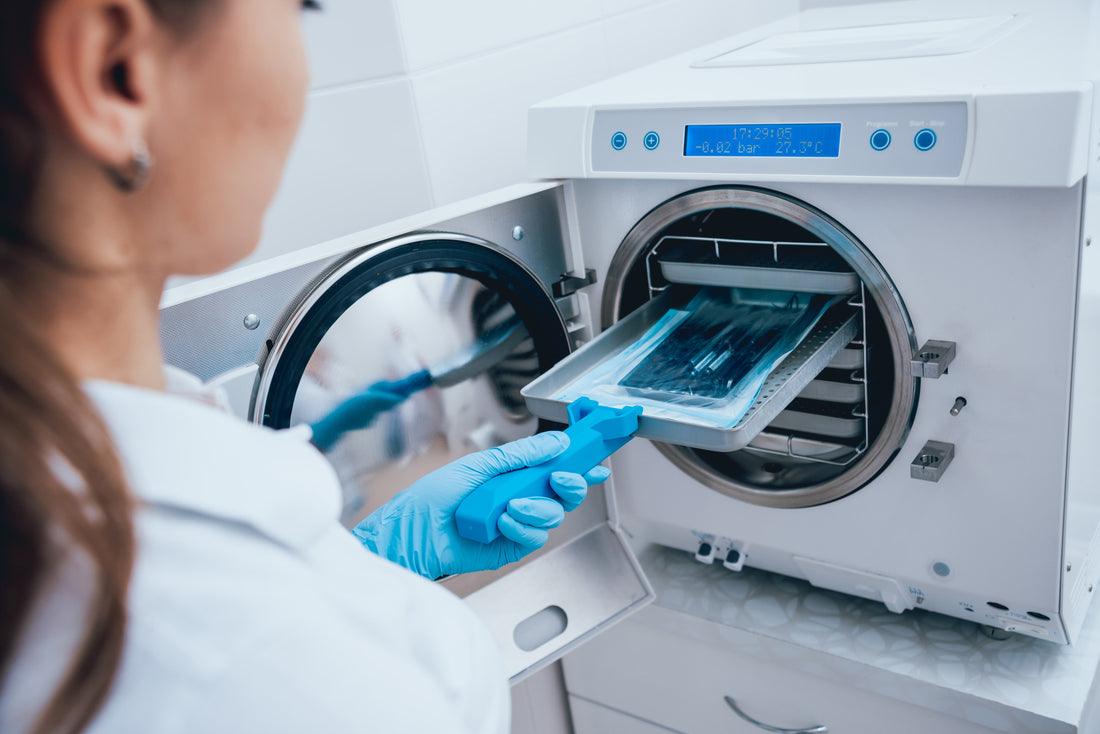
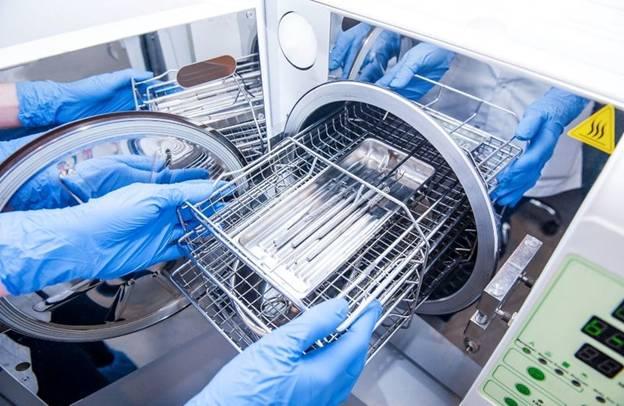
Sterilization Modalities We Evaluate
We characterize material response to:
Gamma irradiation
Electron beam (e-beam)
Ethylene oxide (EtO)
Steam/autoclave sterilization
Hydrogen peroxide plasma
Dry heat
Peracetic acid and other chemical sterilants
Each method interacts differently with polymers, ceramics, metals, hydrogels, composites, nanomaterials, coatings, and biological scaffolds, making analytical evaluation essential.
Sample Analysis Process
1. Sterilization & Test Planning
- Select sterilization method
- Define test endpoints
2. Characterization Post-Sterilization
- Chemical analysis (FTIR, HPLC, GC-MS)
- Mechanical testing (tensile, compression, adhesion)
- Thermal stability (DSC, TGA)
- Microscopy (SEM/AFM)
- Biocompatibility or cytotoxicity (optional)
3. Comparative Analysis
- Pre- vs post-sterilization integrity data
4. Reporting
- Degradation mapping
- Suitability assessment
Why Choose Materials Metric
Materials Metric provides the deepest material-integrity insights in the CRO space, combining chemistry, materials science, and biological evaluation.
We offer:
• ISO 9001:2015 governed testing
• Full chemical + mechanical + biological evaluation packages
• Expertise with polymers, elastomers, ceramics, metals, and biomaterials
• Clear data packages for FDA/ISO submissions
• Fast turnaround for time-sensitive launches
We ensure your material remains safe, functional, and compliant, after any sterilization method.