
Tissue Processing & Sample Preparation
Accurate biological and materials analysis begins with precise tissue processing and sample preparation. Proper fixation, embedding, and sectioning are essential to preserve morphology, cellular architecture, and material, tissue interfaces for downstream histology, microscopy, and imaging studies.
At Materials Metric, we provide comprehensive tissue processing workflows, including paraffin, cryogenic, and resin-based methods: designed to support soft tissues, hard tissues, calcified specimens, biomaterials, implants, and hybrid constructs. Our controlled preparation protocols ensure reproducible section quality, structural integrity, and compatibility with advanced staining, fluorescence imaging, and high-resolution microscopy for research, product development, and regulatory studies.
Uses
• Preparing tissues for H&E, special stains, IHC, IF
• Embedding bone, dental materials, and implants
• Preserving tissue–material interfaces
• Creating cross-sections for SEM, CLSM, or micro-CT
• Enabling accurate morphologic and quantitative analysis
Applications
• Implantable medical devices
• Biomaterials and scaffolds
• Dental implants and hard tissue
• Regenerative materials
• Tissue engineering studies
Sample Analysis Process
1. Sample Evaluation
- Tissue type, fixation status, and processing requirement assessment
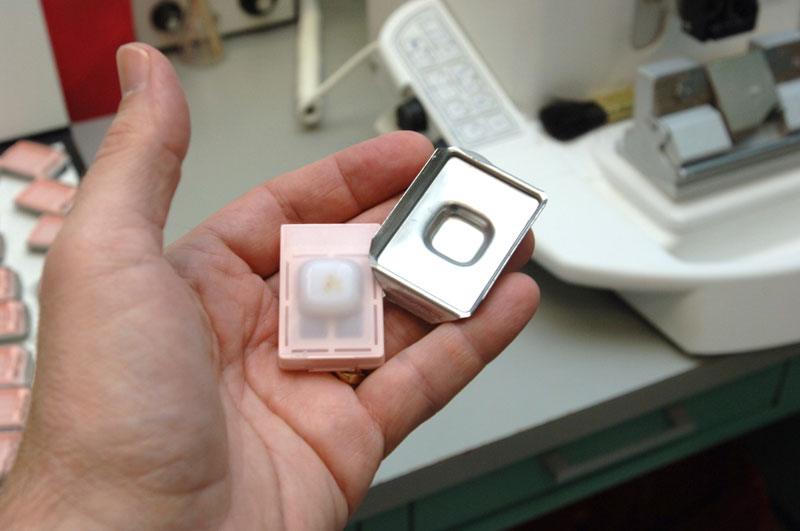
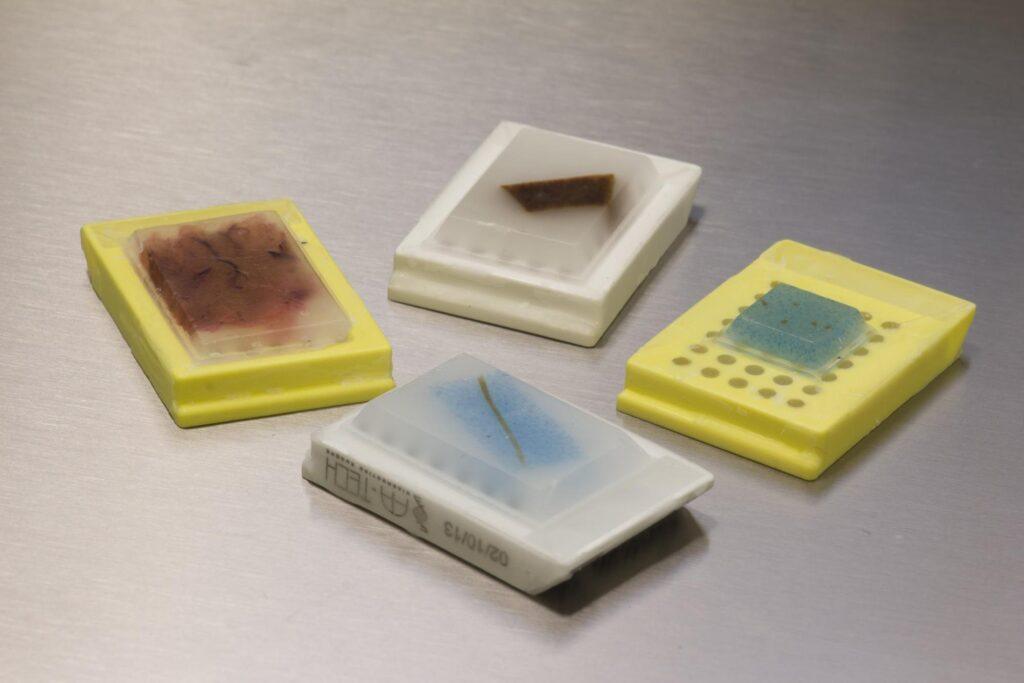
2. Embedding & Preparation
- Paraffin for soft tissues
- Cryo for rapid or antigen-preserving preparation
- Resin embedding for hard tissues and implants
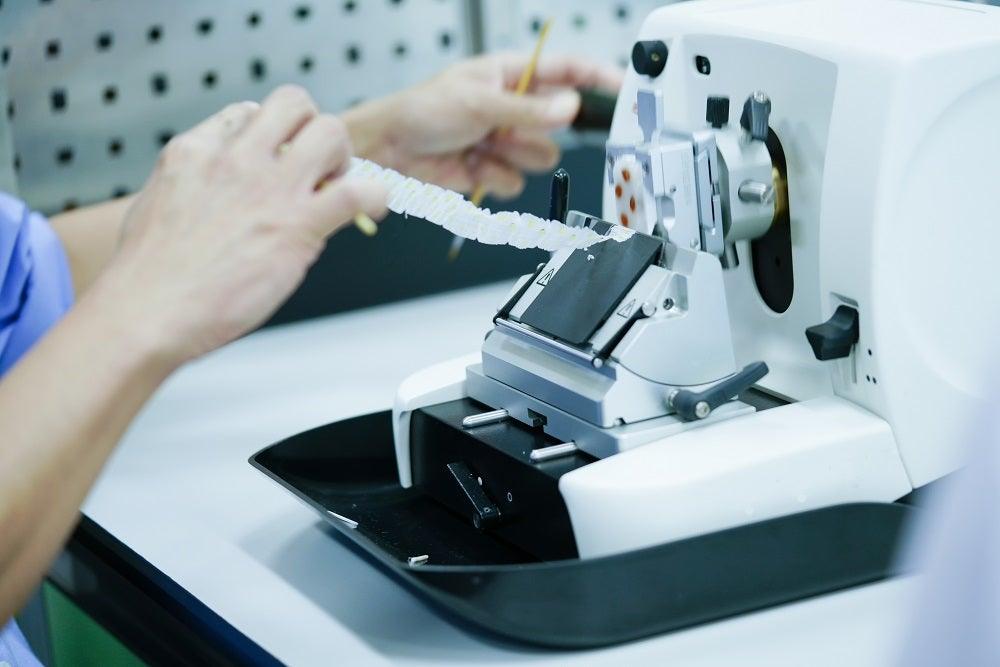
3. Sectioning
- Microtome, cryostat, or ultramicrotome sectioning
- Thickness optimization based on stain or imaging method
4. Quality Verification
- Pre-stain microscopic assessment to confirm integrity
Why Choose Materials Metric for Tissue Processing
Materials Metric provides high-precision tissue processing designed for complex materials, implants, and biological systems.
We offer:
• ISO 9001:2015 accredited workflows
• Expertise in soft and hard tissue embedding
• Specialized protocols for implant–tissue interface preservation
• High-quality sectioning optimized for downstream analysis
• Integration with histology, microscopy, and imaging services
Materials Metric ensures your samples are processed with the scientific rigor required for accurate biological evaluation.
Related services