Frequently Asked Questions
What are modeling and analysis services?
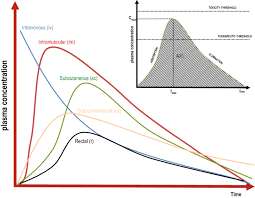
Modeling and analysis services cover computational and data-driven work that predicts behavior, interprets data, and supports decisions across biomedical and materials research. Materials Metric delivers pharmacokinetic and systems models, materials simulation, machine learning, genomic and docking analysis, and data analytics. Each engagement produces documented models or analyses with clear interpretation.
What do modeling and analysis services include?
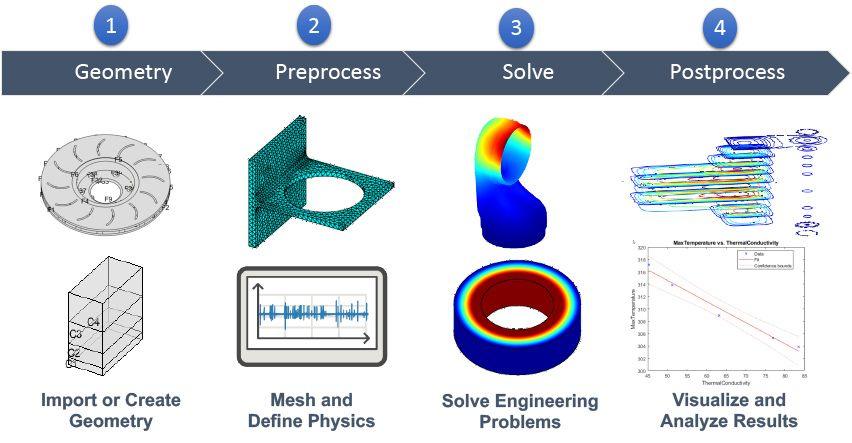
They include pharmacokinetic and pharmacometric modeling, quantitative systems pharmacology, AI and machine learning, computational materials simulation, genomic modeling and molecular docking, data analytics and visualization, and integration with experimental testing. Services can be used individually or combined into a connected workflow. We scope the right mix to your objectives.
What data and inputs are needed for modeling and analysis services?
Requirements depend on the service but generally include structured datasets with clear units and definitions, relevant conditions or parameters, and a statement of the questions to answer. For simulation we need material or system definitions; for data work we need the measured data. We advise on data preparation before each project begins.
Which methods and tools apply to modeling and analysis services?
We use established statistical, physics-based, and machine learning methods selected to match each problem, with validation appropriate to the approach. Models are checked through diagnostics, sensitivity analysis, or comparison to experimental data as relevant. Methods follow accepted computational practice and are documented per project rather than a single fixed standard.