Frequently Asked Questions
What is particle size and morphological analysis?
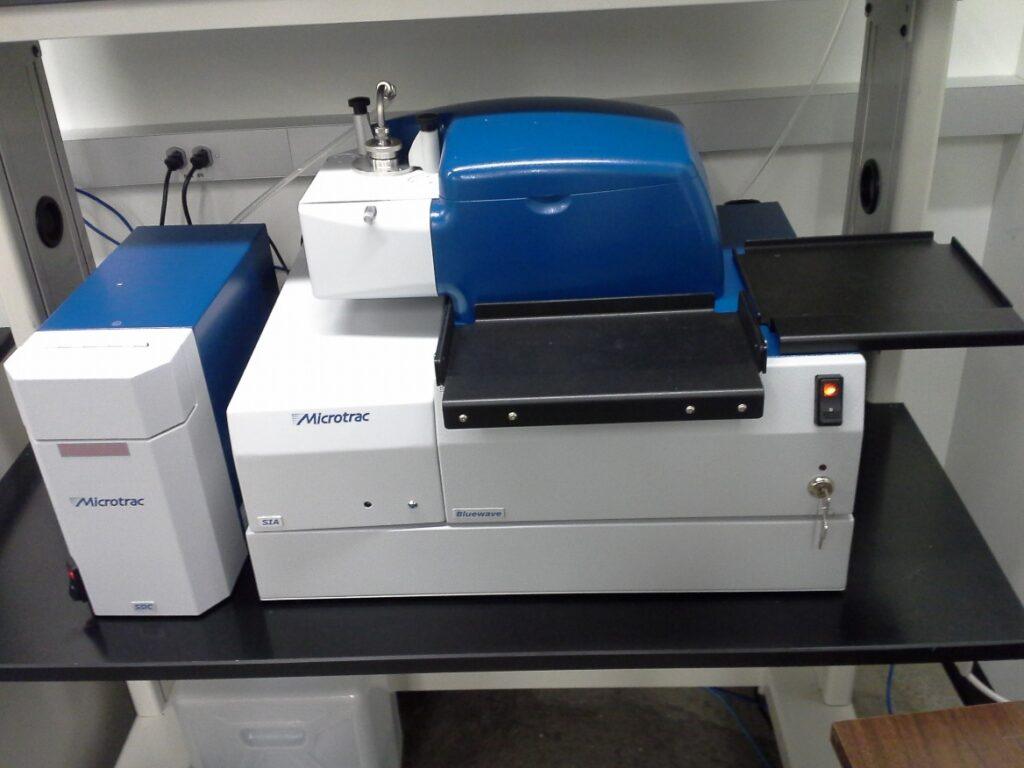
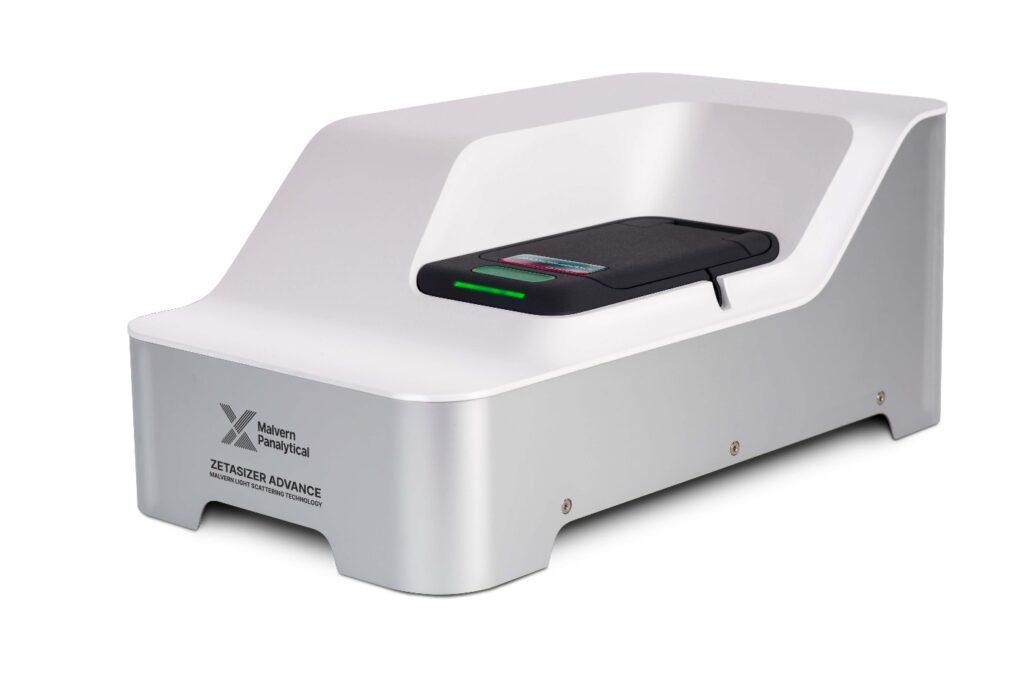
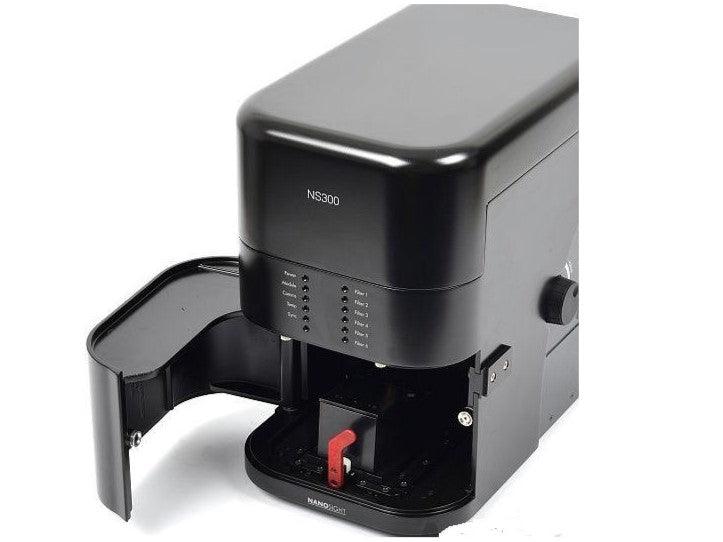
Particle size and morphological analysis characterizes how large particles are and what shape they have using techniques such as laser diffraction, dynamic light scattering, and image-based methods. It describes both the size distribution and features like shape, aspect ratio, and surface texture.
What does particle size and morphological analysis measure?
It measures size distribution statistics such as D10, D50, and D90, plus morphological descriptors including shape, circularity, and aspect ratio. These parameters influence flow, reactivity, dissolution, and product performance across powders, suspensions, and nanomaterials.
What sample is required for particle size and morphological analysis?
A representative sample of powder or dispersion is required, with the amount and form depending on the selected technique and target size range. Materials Metric advises on sampling, dispersion, and whether a size, shape, or combined approach best fits your material.
Which standards apply to particle size and morphological analysis?
Common references include ISO 13320 for laser diffraction and ISO 22412 for dynamic light scattering, with image analysis methods selected to suit the material. Materials Metric applies validated or fit-for-purpose methods aligned with ASTM/ISO where applicable to your size range and objective.